
-

8 key questions answered about belt scrapers
Many food manufactures will recognize the problem: sticky parts of loose transported goods stay on the belt, so to solve this, you install a belt scraper.
-
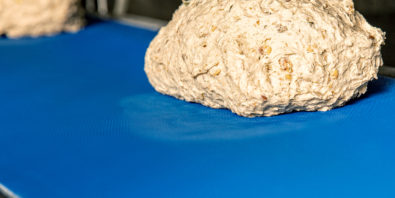
Declaration of Compliance – contact time in relation to temperature
In an earlierblog, I looked at what information must be included in a Declaration of Compliance. One of the requirements in relation to Regulation 10/2011 is the specification on the use of the belt.
-

Solve the struggles of sanitation with a multipronged approach
According to research from Ohio State University, the cost of foodborne illness in the U.S. including lost productivity, medical costs and economic losses may be as high as $93.2 billion[1].
-

Sprocket pitch diameter: why it’s important and how to measure it
When replacing an existing (from another supplier) plastic modular belt with a new Habasit belt, it’s important to know the sprocket pitch diameter used on the current conveyor.
-

The twisted heart of the toilet paper roll
The COVID-19 pandemic has had a huge impact on the tissue industry. Once the pandemic had reached every continent,
-
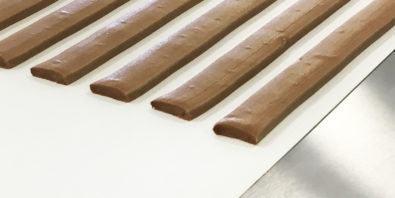
Case study – Food belt’s superb release properties minimize sticky residue
Food producers today face a vast range of challenges. Not only must they comply with increasingly stringent food safety requirements,
-
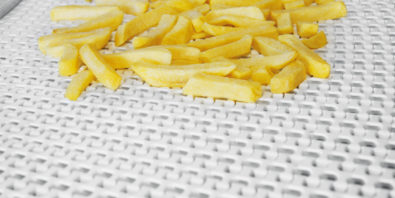
How to use modular belts as radius belts
Modular belts are highly valued for their flexibility, and many facilities, especially in the food industry, use them as radius belts on conveyors with curves.
-

How reinforcement solves a key challenge of monolithic conveyor belt designs
Often referred to as “solid” or “food-safe” belts, monolithic belts are made of a single material, typically thermoplastic polyurethane (TPU).


 sending...