
-

When to use timing belts with screwed-on profiles
Timing belts are used in the packaging and food processing industries to convey products in need of sorting, separating, feeding and indexing.
-

Static and kinetic friction – what exactly is the difference?
When setting up or maintaining a conveyor belt, there are often issues due to friction. Here’s a refresher on the difference between static and kinetic friction, and the influence they have on proper belt performance.
-

Case study: Yes you can judge a belt by its cover
In modern manufacturing, finding exactly the right conveyor belt to move products with speed and precision is essential.
-

Outfoxed
In common folklore, the fox is often considered to be the cleverest creature of the animal kingdom, as well as the most mischievous.
-

What’s the best way to achieve tight transfers between belts?
Proper alignment of products is critical at many stages of the production process. Problems often arise when products have to be transferred from one conveyor belt to another.
-
6 things you need to know about powerturn installations
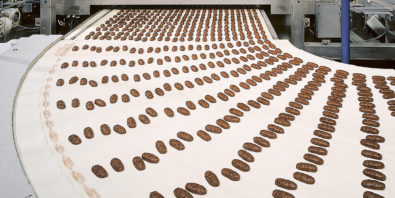
I’m often contacted by engineers asking for assistance with replacing, retrofitting or designing belts for curved conveyors – known as powerturn installations – which are used to change the direction of a conveyor by anything from 30° to 180°.
-

Hygroscopy and hydrolysis – what’s the difference?
Do you know the distinction between hygroscopy and hydrolysis? Read on for a reminder of the difference between these two key chemical terms and how they can affect belts.
-

What to keep in mind when measuring your conveyor belt or power transmission belt
国际镍业rrect measurements pose problems for manufacturers and customers alike – and unfortunately this is an ongoing problem.


 sending...